After the Indonesian Ulema Council (MUI) issued Fatwa No. 83 of 2023 on Supporting the Palestinian Cause, searches for "non-Israel dates" surged across Indonesia. National outlets such as CNBC Indonesia, Detik, and Haibunda published lists of date brands believed to be Israeli-affiliated alongside recommended safe alternatives. Amid this confusion, Iranian dates are frequently cited as one of the clearest options in terms of origin. This article explains the basis of the fatwa, where Iranian dates stand, and how to verify origin before buying.
What Does MUI Fatwa No. 83/2023 Actually Say?
The fatwa urges Muslims to avoid products affiliated with Israel or that demonstrably support aggression against the Palestinian people. The key nuance, as explained by MUI and quoted by Detik and CNBC Indonesia, is that the issue is not the date fruit itself — dates are inherently permissible to eat — but rather the economic-support dimension. Proceeds from selling Israeli-origin products are feared to help finance harm against Palestinians. The fatwa is therefore a moral appeal of solidarity, not a declaration that the fruit becomes impure.
The practical takeaway for shoppers is simple: what you need to confirm is the country of origin of the dates you buy, not the type of fruit. This is precisely where Iranian dates have an advantage of clarity.
Why Are Iranian Dates Considered a Clear Choice?
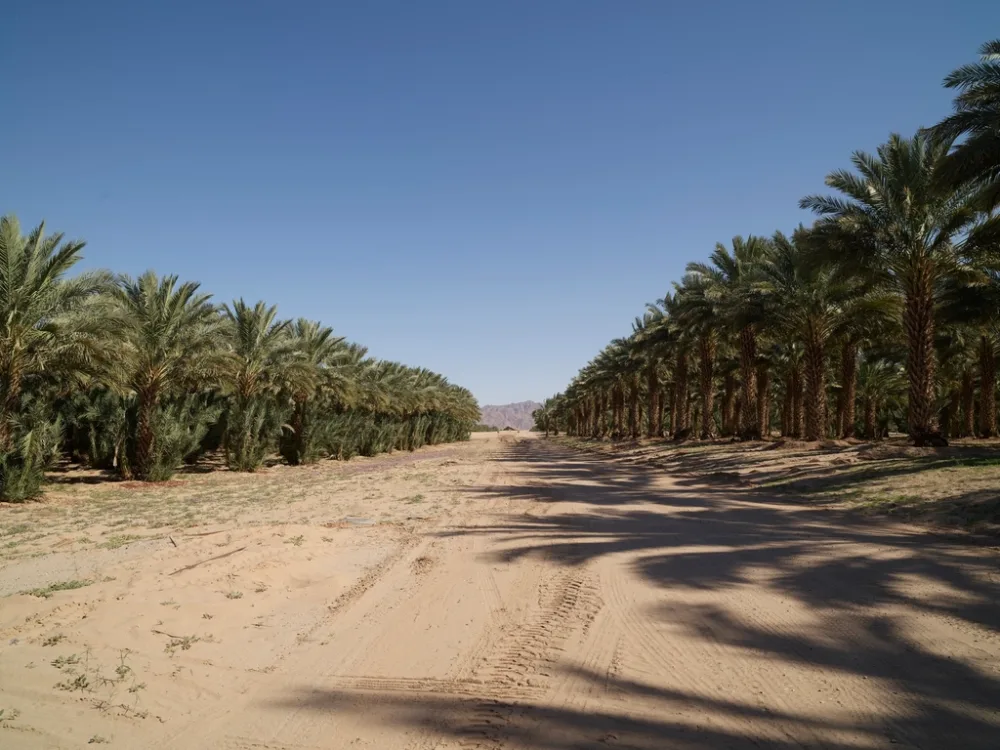
Iran is a Muslim-majority nation with a date-growing tradition spanning millennia. The four Iranian varieties best known in Indonesia — Mazafati (Bam), Mariami/Piarom, Sayer, and Zahedi — are all cultivated in Iranian provinces such as Kerman, Hormozgan, and Khuzestan, with no Israeli origin connection. According to Tehran Times, Iran exported roughly 332,346 tonnes of dates in 2024 worth USD 213 million, with top markets in India, the UAE, and Pakistan.
Indonesian consumer media such as Haibunda and CNN Indonesia explicitly list Iranian dates (alongside Saudi Arabia, Egypt, Tunisia, and the UAE) among dates that are safe to consume and outside the scope of what MUI advised avoiding. Choosing Iranian dates is thus an easy way to gain peace of mind without memorising dozens of contested brand names.
Table: Common Date Origins in the Indonesian Market
| Country of Origin | Example Varieties | General Media Status |
|---|---|---|
| Iran | Mazafati, Mariami/Piarom, Sayer, Zahedi | Cited as a safe (non-Israel) alternative |
| Saudi Arabia | Ajwa, Sukari, Safawi, Mabroom | Safe alternative |
| Egypt | Zaghloul, Siwa, Amri | Largest supplier to Indonesia; safe |
| Tunisia/Algeria | Deglet Noor | Safe alternative |
| UAE | Khalas, Lulu | Safe alternative |
Note: this table simplifies information circulating in Indonesian consumer media during 2024–2026 and is not an official MUI list. For binding decisions, refer to MUI and BPJPH official statements.
How to Verify Origin Before Buying
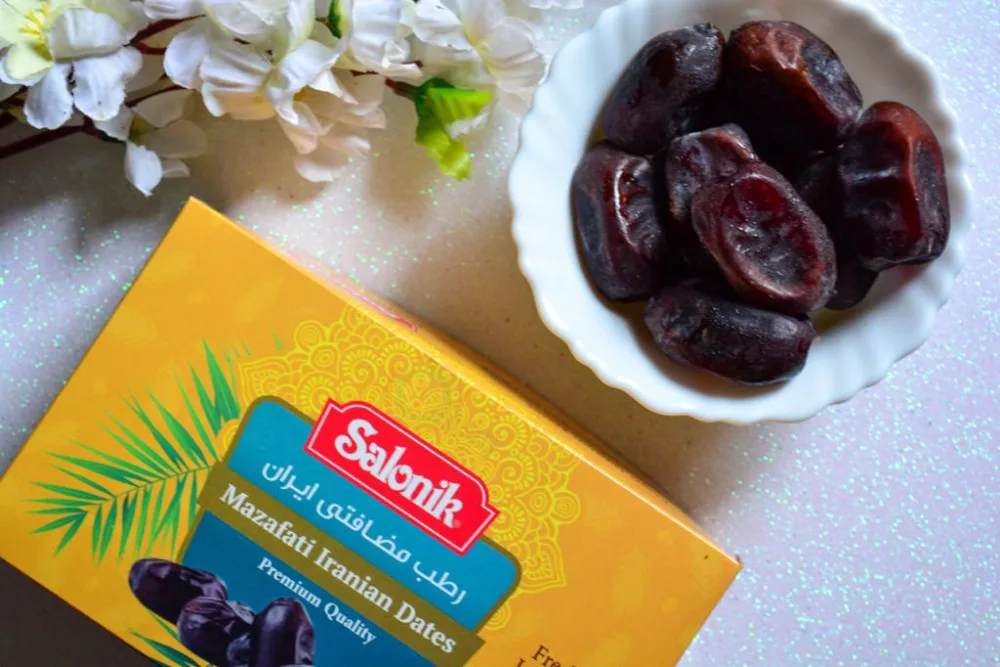
- Check the packaging label — legally imported dates list the country of origin ("Product of Iran") and the importer. Mazafati often notes Bam, Kerman as its source.
- Ask the seller — a trustworthy distributor is transparent about origin and import documentation. For loose dates, ask the source province: Mazafati from Kerman, Mariami/Piarom from Hormozgan (Hajiabad), Sayer and Zahedi from Khuzestan.
- Know the local names — Mazafati is often sold as "kurma Bam" or "kurma anggur," which helps you recognise Iranian dates in traditional markets.
- Check halal certification — in Indonesia, halal certification is administered by BPJPH together with MUI and certification bodies; certified products carry the Halal Indonesia logo.
As an Iranian-dates specialist, we focus solely on Iranian-origin varieties, which keeps origin clarity at the centre of what we offer. Our Iranian variety guide and our Iranian-dates health page can help you compare Mazafati, Mariami, Sayer, and Zahedi.
The Four Iranian Varieties Free of Israeli Affiliation
To shop with more confidence, here are short profiles of four Iranian varieties, all from Iranian provinces:
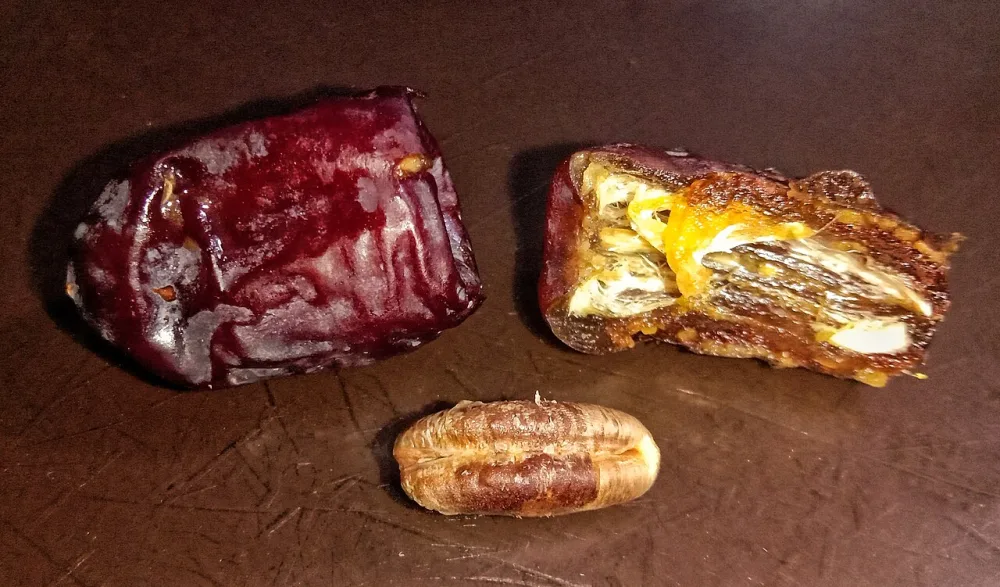
- Mazafati (Bam) — the iconic wet date from Bam, Kerman Province, grown at around 1,000 metres using ancient qanat irrigation. Glossy black and richly sweet, it is the most sought-after by Indonesian consumers, often sold as "kurma Bam."
- Mariami/Piarom — a semi-dry brown date from Hajiabad, Hormozgan, nicknamed the "chocolate date" and among the world's most expensive. Ideal for premium gifts.
- Sayer (Stamaran) — Iran's largest export variety from Khuzestan; semi-dry, durable, and economical. Ideal for daily eating and processing.
- Zahedi — a dry date with the longest shelf life, widely used in cooking and date-syrup production.
None of these originate from or are affiliated with Israel. All grow on Iranian soil, a Muslim-majority nation with a date-cultivation tradition spanning millennia.
Myths Worth Correcting
Several misconceptions circulate. First, the idea that "all imported dates are risky" — yet most dates in Indonesia come from Egypt, Saudi Arabia, Iran, Tunisia, and the UAE, none of which is Israel. Second, the idea that "black dates must be Israeli" — date colour is determined by variety and ripeness, not country; Iran's Mazafati is itself glossy black. Third, the idea that the "Medjool" label automatically means Israel — Medjool is grown in many countries including Jordan, Palestine, Egypt, and the United States. The safest approach is not to guess from colour or type, but to check the country of origin on the packaging.
Halal: Framing the Context Correctly
Language matters here. The date fruit is inherently permissible and is mentioned directly in the Quran and hadith. However, "halal-certified" is an administrative statement that should only be claimed when a product genuinely holds certification from an authorised body. We present this educationally: shoppers should verify certification status on the packaging or by asking the seller directly, rather than relying on verbal claims. For specific religious questions, the best references remain official MUI fatwas and the BPJPH authority.
Conclusion
For Muslim consumers seeking reassurance after MUI Fatwa No. 83/2023, Iranian dates offer a simple path: an origin in a Muslim-majority nation, far removed from Israeli affiliation, with premium varieties such as Mazafati and Mariami that also excel in flavour and nutrition. All you need is to confirm the country of origin via the label, questions to the seller, and — where available — an official halal logo.