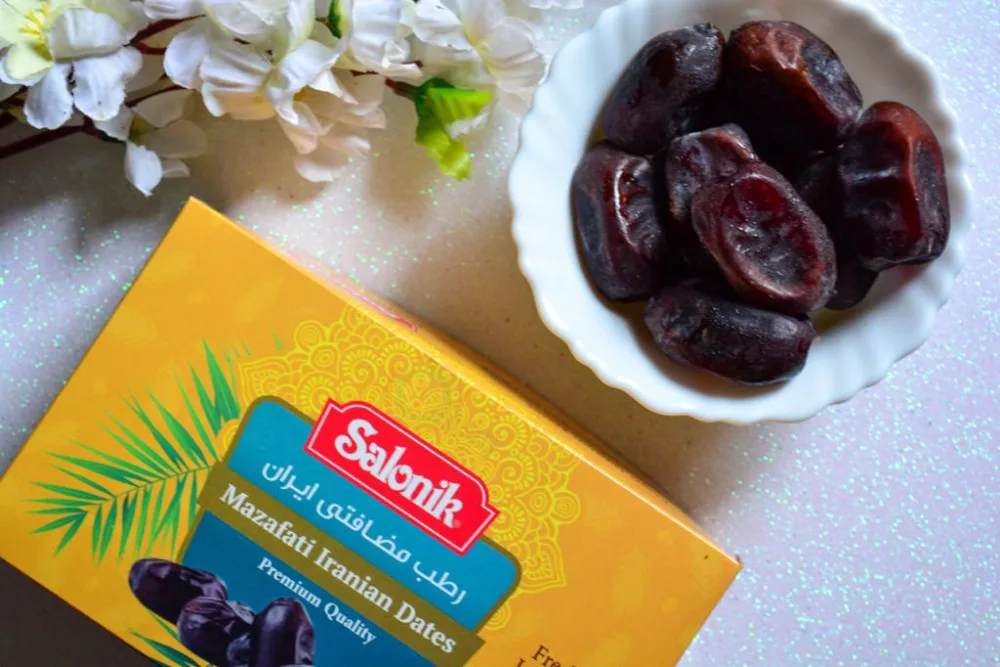
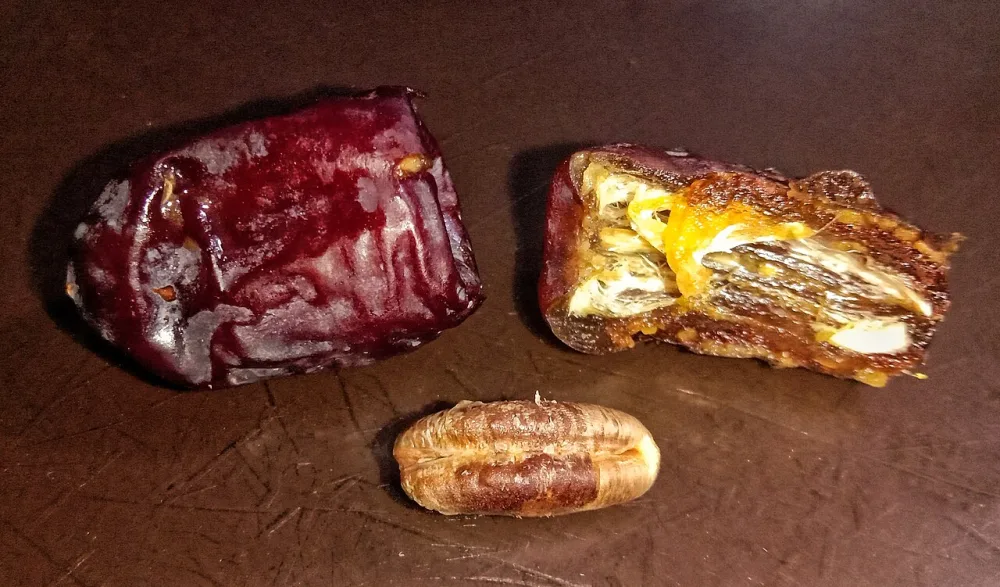
Mariami dates — known in Iran and worldwide as Piarom and often nicknamed the "chocolate date" — are among the most premium dates reaching Indonesia. They are dark brown, almost black, elongated in shape, and semi-dry with a deep sweetness that is not overly caramel-heavy. Yet many buyers are confused because Mariami is sold across several grades: B, A, AA, up to AAA or "Jumbo." This article explains what these grades mean, roughly how many pieces fit in a kilogram, and how to pick the right one for your needs.
Origin: Why Mariami/Piarom Is So Special
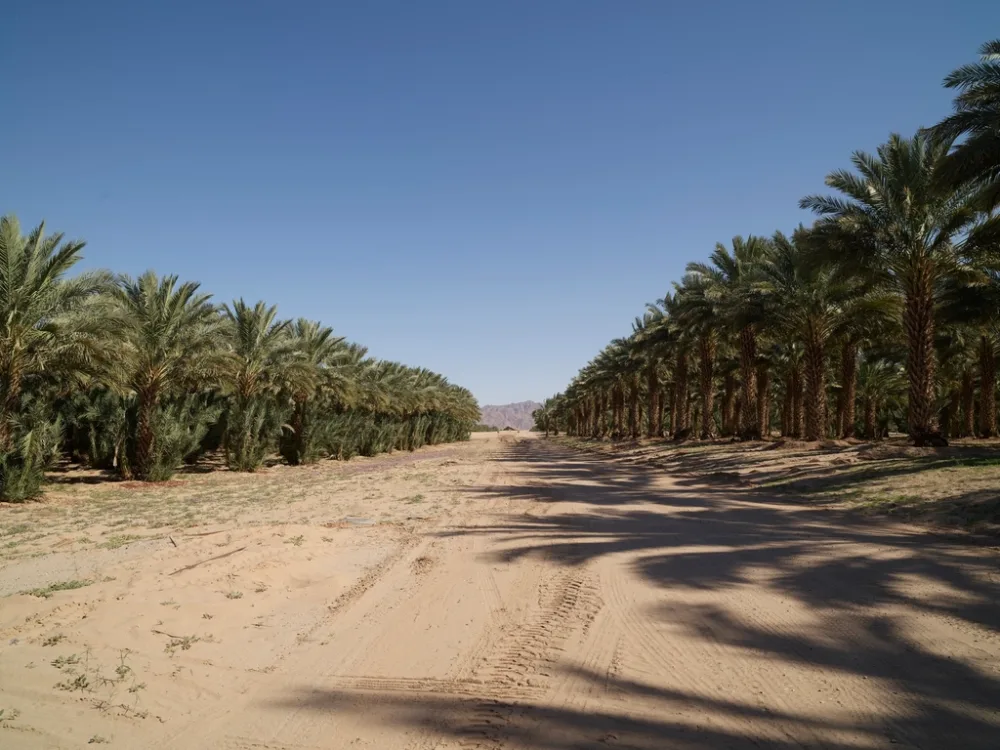
According to Iranian exporter sources (iranpiarom.com, datefruit.ir) and regional importer references, Piarom is cultivated almost exclusively in Hajiabad, Hormozgan Province, in southern Iran, grown organically without pesticides. Its moisture is low, under 15–18%, placing it in the durable semi-dry category. The palms take a long time — around 8–10 years — to reach full production, and roughly 80% of the harvest is destined for export. Limited growing area, organic yield, and global demand make Piarom one of the world's most expensive dates, with international wholesale prices often in the USD 10–15 per kg range for higher grades.
Understanding the Mariami/Piarom Grading System
Unlike many other dates, Mariami/Piarom is graded by piece size and uniformity. The larger and more uniform the pieces, the higher the grade. Here is a general overview commonly used by regional importers:
| Grade | Size Character | Approx. Pieces per Kg* | Best For |
|---|---|---|---|
| Grade B (Economy) | Small–medium, less uniform | ± 180–220 pieces | Daily eating, cooking, budget iftar |
| Grade A (Standard) | Medium, fairly uniform | ± 150–180 pieces | Family eating, Ramadan stock |
| Grade AA (Premium) | Large, uniform, glossy | ± 130–150 pieces | Guest serving, light gifts |
| Grade AAA / Jumbo (VIP) | Largest, fullest pieces | ± 110–130 pieces | Luxury hampers, corporate parcels |
*Note: pieces-per-kg figures are estimates and vary by supplier and harvest season. Market references put Mariami Jumbo at around 120 pieces per kilogram. Always confirm actual specifications with the seller.
Flavour, Texture & Nutrition Profile
Mariami/Piarom has thick flesh, the slightly wrinkled skin typical of semi-dry dates, and a deep sweetness with caramel-chocolate notes. Because its moisture is lower than Mazafati's, Mariami stores more easily and is less sticky than wet dates. As a general nutrition reference for dried dates (USDA data for Deglet Noor as a practical proxy): per 100 grams contains about 282 kcal, 75 grams carbohydrate, 8 grams fibre, around 656 mg potassium, and about 1 mg iron. Piarom's exact figures may differ, but the profile remains energy-dense, fibre-rich, and a good potassium source. This information is educational, not medical advice.
How to Choose the Right Grade
- For gifts and Eid hampers — choose Grade AA or AAA/Jumbo. Large, uniform pieces look luxurious arranged in a parcel box. Mariami Jumbo is the hero product for gifting.
- For everyday family eating — Grade A offers the best balance of quality and price.
- For cooking (cakes, smoothies, date paste) or mass iftar — Grade B is most economical since size matters less once processed.
- Check authenticity — genuine Mariami is evenly dark brown, chewy-fleshed, and free of sharp fermentation odour. Avoid pieces that are watery-wet (a trait of other types) or excessively hard and dry.
As an Iranian-dates specialist, we offer Mariami/Piarom across several grades alongside other Iranian varieties. If you are still weighing Mariami against Mazafati, our Mazafati vs Piarom comparison guide covers the wet-versus-semi-dry texture difference in detail.
How to Tell Genuine Mariami from Imitations
Because it is costly, Mariami is sometimes imitated or mixed with similarly coloured dates. Check these traits of genuine Mariami/Piarom:
- Colour — evenly dark brown, not jet-black like Mazafati and not pale brown.
- Shape — elongated and slim, with the slightly wrinkled surface typical of semi-dry dates.
- Texture — thick, chewy, full-bodied flesh; neither watery nor hard-dry.
- Aroma & flavour — deep sweetness with caramel-chocolate notes, no sharp fermentation smell.
- Uniformity — for Jumbo grade, pieces are relatively uniform in size; very random sizing may signal a lower grade sold as a higher one.
Buying from a seller transparent about grade, origin (Hajiabad, Hormozgan), and pieces-per-kg specifications is the best way to avoid mistakes.
How to Serve & Use Mariami
Its thick, not-too-sticky texture makes Mariami versatile. A few serving ideas:
- Direct serving — serve whole as a special treat for guests, especially during Ramadan and Eid.
- Stuffed dates — slit and fill with almonds, walnuts, or cheese for an elegant dish.
- Coffee/tea pairing — its caramel-chocolate notes pair well with black coffee or tea.
- Toppings & creations — chop for oatmeal, yoghurt, or granola toppings.
Because Mariami is drier than Mazafati, it holds its shape when cut, keeping plated dishes tidy.
Storing Mariami/Piarom
As a semi-dry date, Mariami keeps relatively well. Store in an airtight container in a cool, dry place away from direct sunlight. In Jabodetabek's hot climate, refrigeration can extend freshness and preserve texture, especially for premium-grade stock you want to keep pristine until gifting. Avoid damp storage to prevent mould, and take out only what you need to serve.
Price Range in Indonesia
Given its premium positioning, Mariami/Piarom generally sits in a higher price segment than standard Mazafati. For Jumbo/VIP grade, Indonesian retail often falls in the Rp 200,000–280,000 per kg range, while Grade B and A are more affordable. Pricing depends on grade, packaging, season, and exchange rates. Carton wholesale typically offers a lower per-kilogram price. Always request the latest price list, as date prices fluctuate ahead of Ramadan.
Conclusion
Mariami/Piarom is a premium date from Hajiabad, Hormozgan, distinguished chiefly by piece size: from economical Grade B to luxurious Jumbo. Remember that the higher the grade, the fewer pieces per kilogram but the greater the presentation value — especially for gifting. By understanding the grading system and approximate pieces per kg, you can buy Mariami to suit your need: economical for eating, or luxurious for giving.