The Indonesian date market is flooded with varieties from many countries, but the three origins most often compared are Iran, Saudi Arabia, and Egypt. Each has a distinct character, price segment, and strength. Understanding these differences helps you choose the right date—for daily eating, premium gifting, or business stock. This article compares the three honestly based on production data, variety profiles, and price positioning in Indonesia.
A Glance at Three Date Capitals
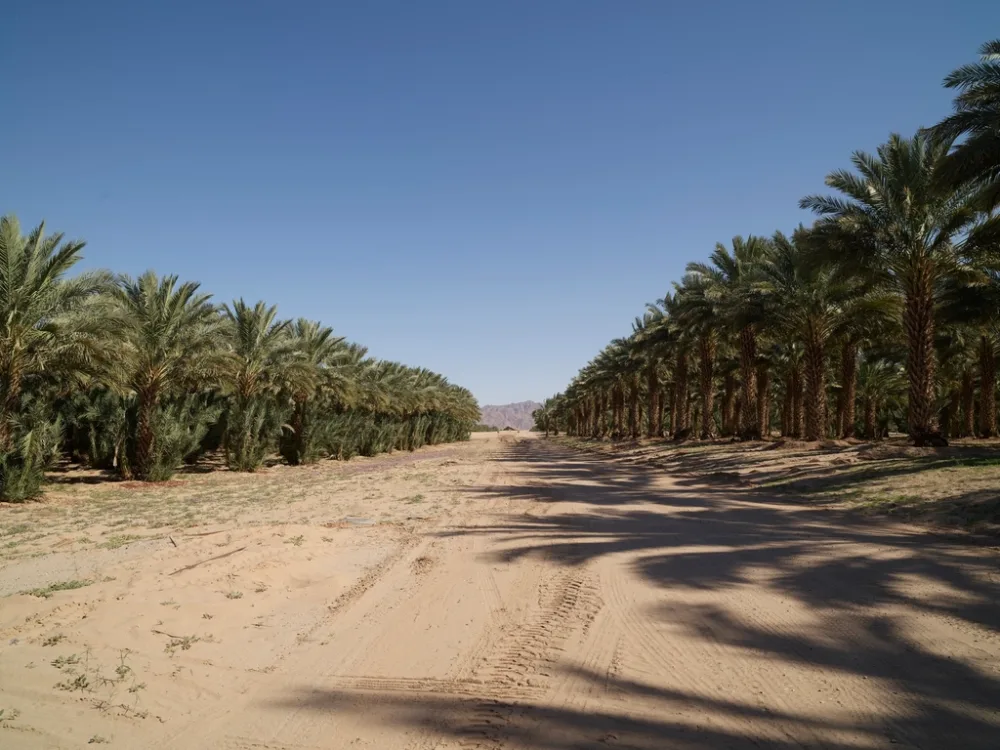
According to data cited by media such as Kompas and CNN Indonesia, Egypt is the world's largest date producer at around 1.5 million tonnes, followed by Saudi Arabia at around 1.3 million tonnes. Iran is smaller in volume but renowned for its diverse premium varieties. Indonesia's 2025 import data (cited by CNBC Indonesia and others) shows Egypt as the largest supplier by volume, followed by Saudi Arabia and the UAE, while Iran appears in smaller volumes but in a specialty segment.
Distinctive Character of Each Origin
Iranian Dates
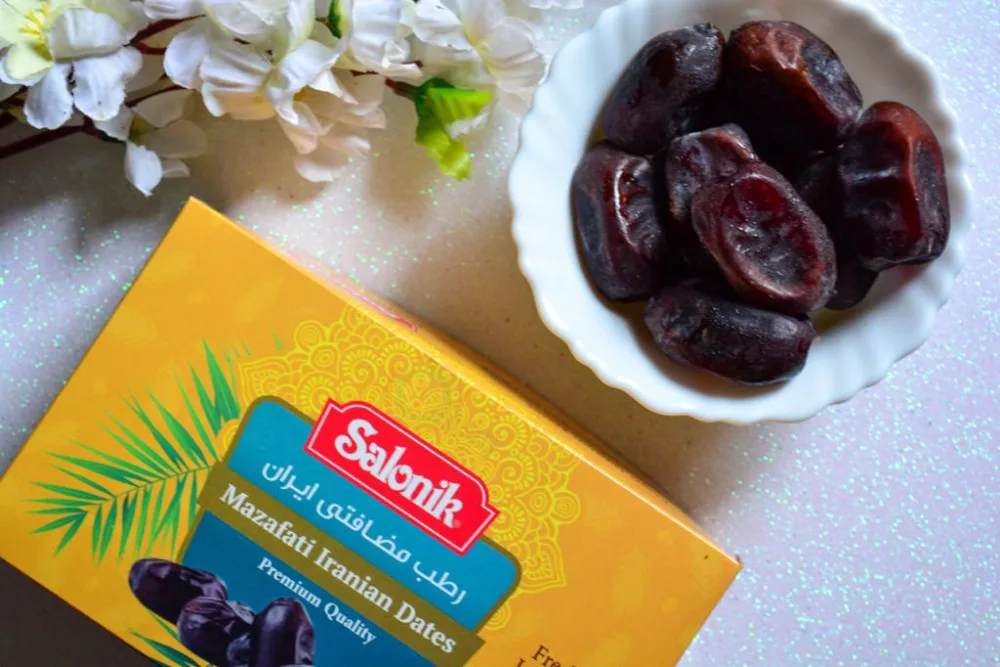
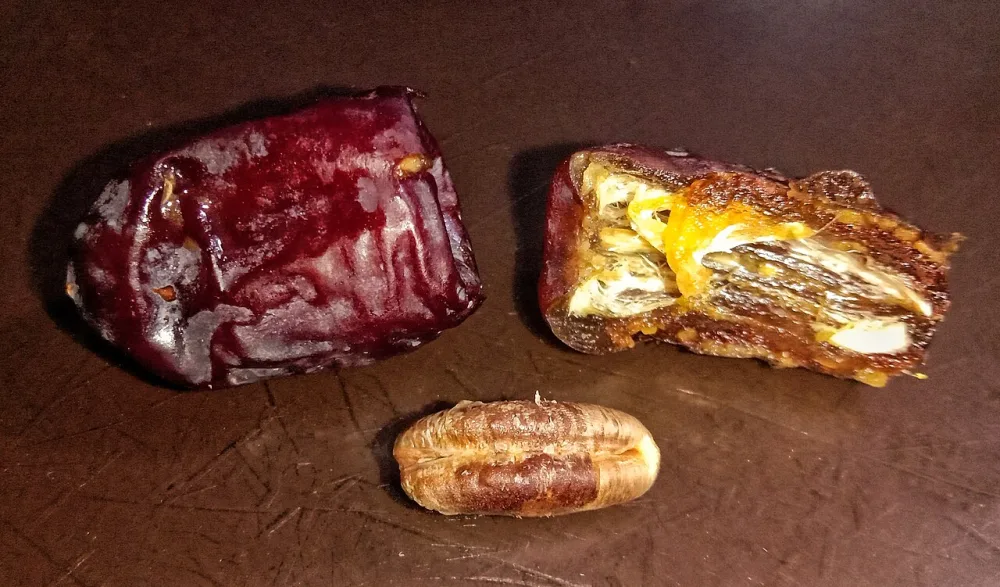
Iran is known for premium varieties and a full range of textures. Mazafati (Bam) is a high-moisture wet date with rich sweetness and glossy black colour. Mariami/Piarom is a semi-dry brown date nicknamed the "chocolate date" and ranks among the world's most expensive. Sayer and Zahedi fill the economical and processing segments. Iran's edge: a complete texture range from wet to dry, plus an origin in a Muslim-majority nation free of Israeli affiliation.
Saudi Arabian Dates
Saudi Arabia is home to varieties with religious significance and strong flavour. Ajwa from Madinah is known as the "Prophet's date" with virtues cited in hadith. Sukari is reputed to be among the sweetest and softest dates. Safawi and Mabroom complete the dark Madinah line. Saudi's edge: religious prestige and premium flavour, especially for Hajj/Umrah souvenirs.
Egyptian Dates
Egypt excels in volume and affordability. Zaghloul has a dark-red skin, is long, crisp, and very sweet—distinctly Egyptian. Many other Egyptian dates are sold as economical loose dates that form the backbone of mass iftar supply in Indonesia. Egypt's edge: economical price and abundant availability.
Comparison Table
| Aspect | Iran | Saudi Arabia | Egypt |
|---|---|---|---|
| Iconic varieties | Mazafati, Mariami, Sayer, Zahedi | Ajwa, Sukari, Safawi, Mabroom | Zaghloul, Siwa, Amri |
| Typical texture | Wet to dry (full range) | Soft to semi-dry | Crisp to soft |
| Flavour | Rich-sweet, caramel-chocolate | Strong, rich sweetness | Bold, fresh sweetness |
| Price position | Economical to ultra-premium | Mid to premium | Economical |
| Main appeal | Diversity & premium gifting | Religious prestige | Price & volume |
| Best for | Gifts, eating, processing | Hajj souvenirs, serving | Mass iftar, budget stock |
Nutrition Comparison: Are They Very Different?
Nutritionally, all ripe dates share a similar profile: energy-dense, fibre-rich, and a potassium source. As a general reference (USDA Deglet Noor): per 100 grams about 282 kcal, 75 grams carbohydrate, 8 grams fibre, and 656 mg potassium. Differences between origins lie more in texture, moisture, and flavour than in macro nutrition. Wet dates like Mazafati feel juicier, while dry dates like Zahedi or some Egyptian dates last longer. The glycemic index of dates generally sits in the low-to-moderate range per several studies, but they remain dense in natural sugar—this is educational, not medical advice.
Which Should You Choose?
- For luxury gifts & texture variety — Iranian dates. Mariami Jumbo and Mazafati convey premium appeal and special flavour.
- For Hajj/Umrah souvenirs & religious value — Saudi dates such as Ajwa or Safawi.
- For mass iftar stock & tight budgets — economical, abundant Egyptian dates.
- For consumers wanting a clear non-Israel origin — Iranian dates are a reassuring choice after MUI Fatwa 83/2023.
As an Iranian-dates specialist, we focus on the depth of Iranian varieties—from Mazafati to Zahedi. To learn more, our complete Iranian-variety guide covers all five varieties and how to choose them.
Price Comparison: Where Each Origin Sits
Price positioning in the Indonesian market (2025–2026) can be mapped broadly as follows. Loose Egyptian dates sit at the most economical level, often in the tens of thousands of rupiah per kg. Iranian dates span a very wide range: standard Mazafati is mid-premium (around Rp 80,000–130,000 per kg equivalent), while Mariami Jumbo can reach Rp 200,000–280,000 per kg as ultra-premium. Saudi dates such as Sukari are mid-range, while premium Ajwa can be very high due to its religious value. For comparison, Medjool (typically from various countries) often falls at Rp 150,000–280,000 per kg. In short, Iran offers the widest flexibility: economical options (Sayer, Zahedi) and ultra-premium (Mariami Jumbo) within a single origin.
Choosing by Occasion
- Ramadan & daily iftar — prioritise price and availability. Egyptian dates and economical Iranian dates (Sayer, Zahedi) make the most sense for large stock.
- Special guest serving — choose something memorable: moist, rich Mazafati from Iran or soft Sukari from Saudi.
- Gifts & corporate hampers — show luxury: Mariami Jumbo from Iran is the star, with large glossy pieces.
- Hajj/Umrah souvenirs — religious value stands out: Ajwa or Safawi from Madinah.
- Processing (syrup, cakes) — choose economical, easy-to-process options: Sayer or Zahedi from Iran, or Egyptian dates.
Origin Clarity After the MUI Fatwa
Since MUI Fatwa No. 83/2023, many consumers added a new criterion when buying dates: a clear, non-Israel country of origin. Here, all three origins—Iran, Saudi Arabia, and Egypt—are considered safe per Indonesian consumer media. But because Iran is a Muslim-majority nation with distinctive, recognisable varieties (Mazafati "kurma Bam," Mariami "chocolate date"), many consumers find it easier to confirm origin. Whatever your choice, the good habits stay the same: read the country-of-origin label, ask the importer, and—where present—check the official halal logo. This note is educational; for binding religious decisions, refer to official MUI fatwas.
Conclusion
There is no absolute winner among Iranian, Saudi, and Egyptian dates—each excels for a different purpose. Iran wins on texture diversity and premium-gift positioning plus clear non-Israel origin; Saudi Arabia leads on religious prestige; and Egypt leads on price and volume. Choose by your need: gifting, worship, daily eating, or business. By understanding each origin's character, date shopping becomes smarter and better targeted.